There is no chance of the welfare of the world unless the condition of women is improved. It is not possible
for a bird to fly on one wingThere is no chance of the welfare of the world unless the condition of women is improved.
Thousands of years ago, Indian women had enjoyed high status. Gargi, Maitreyi, and other women of Vedic
lore illustrate the high status Indian women enjoyed in ancient times. The tradition of “Brahmavadinis”,
women celibates pursuing intellectual studies for life, existed in ancient India. Indian women, who have played a
big role in moulding our culture, civilization, arts, religion, have also handled statecraft from the time of
Draupadi to Chola Royal women, from Rani Padmini, Rani Jhansi and many others, to Indira Gandhi —
something which no other society in the world can possibly boast.
Indian freedom movement was driven by the symbol of “Mother India” and devotion to her in the song “Vande
Mataram”. In India, from ancient times, Female Divinity has equated women with power. And, God as
confluence of man and woman (Ardhanareeswara) symbolized gender harmony. But unfortunately,
contemporary Indian women continue to face discrimination and other social challenges and are often
victims of abuse and violent crimes. Manifestations of violence include physical aggression, such as blows of
varying intensity, burns, attempted hanging, sexual abuse and rape, psychological violence through insults,
humiliation, coercion, blackmail, economic or emotional threats, and control over speech and actions. In
extreme, but not unknown cases, death is the result.
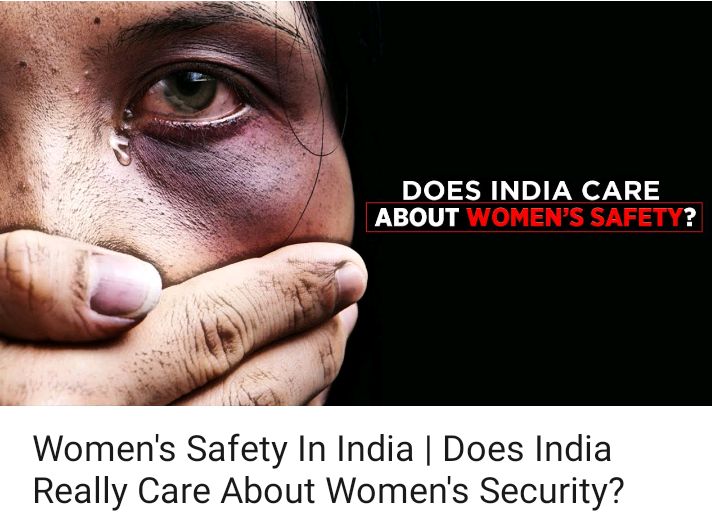
Woman Safety Scenario in India
Woman is the one, who brings us to life who can sacrifice her life for her family but the question
is, what are we doing to that woman? Is Women Safe in India? Certainly not.Woman is the one, who brings us to life who can sacrifice her life for her familyWomen are now becoming the target of a section of men who leer, jeer and do not hesitate to make them
feel vulnerable, and, worse, attack their dignity. According to a global poll conducted, India is the “fourth most
dangerous country” in the world for women, and the worst country for women among the G20 countries.
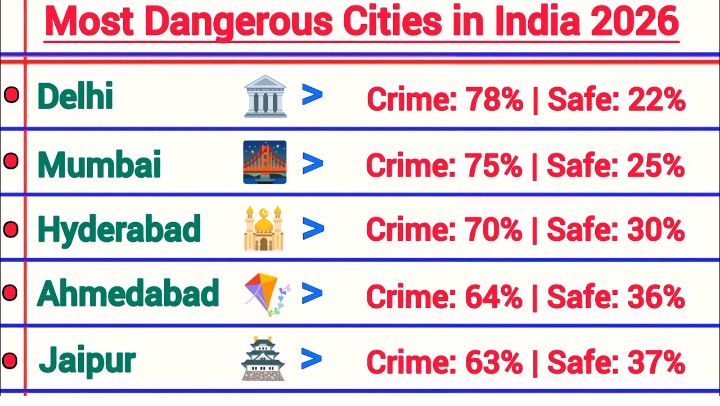
The report suggests that Indian women are not free from violence. Another report by NCRB, that has been
tabulated below, shows that the crime against women is a very frequent and poses a serious concern.
Further these statistics exclude many cases that were not registered with the police due to the social stigma
attached to rape and molestation cases. Thus, the actual cases are much higher.
Economic dependence of women over men has led to male domination over female.
.Factors Affecting and Aggravating Woman Safety
Socio-cultural-economic Factors
Activist Arundhati Ghosh says, “There are many Indias at present. It’s difficult for a socioeconomically and sexually repressed India to live with the modern independent India. Backward
ideas about gender and sexuality overpower the India in which women want to live on their own.”
Psychologists say that patriarchy allows men to commit violence against women. “It occurs when a
man sees a woman as inferior. It is male chauvinism, with the man forcing the woman into
submission.” With different processes of socialization that men and women undergo, men take up
stereotyped gender roles of domination and control, whereas women take up that of submission,
dependence and respect for authority. This reason relates to society’s construction of female sexuality
and its role in social hierarchy. A female child grows up with a constant sense of being weak and in
need of protection, whether physical, social or economic. This helplessness has led to her exploitation at
every stage of life.
Many activists blame the rising incidents of sexual harassment against women on the influence
of “Western culture”.
With the ushering in of economic liberalization Indian cities have witnessed a continual recasting of
spaces to keep pace with the burgeoning urbanization. The present scenario is such that while on the
one hand the cities provide ample opportunities for both women and men, on the other the nature of
urban development has resulted in increased exclusion of women, particularly from the marginalized
sections; it has reinforced the existing structure of gender-based violence.
Factors Affecting and Aggravating Woman Safety
Socio-cultural-economic Factors
- Activist Arundhati Ghosh says, “There are many Indias at present. It’s difficult for a socioeconomically and sexually repressed India to live with the modern independent India. Backward
ideas about gender and sexuality overpower the India in which women want to live on their own.” - Psychologists say that patriarchy allows men to commit violence against women. “It occurs when a
man sees a woman as inferior. It is male chauvinism, with the man forcing the woman into
submission.” With different processes of socialization that men and women undergo, men take up
stereotyped gender roles of domination and control, whereas women take up that of submission,
dependence and respect for authority. This reason relates to society’s construction of female sexuality
and its role in social hierarchy. A female child grows up with a constant sense of being weak and in
need of protection, whether physical, social or economic. This helplessness has led to her exploitation at
every stage of life. - Many activists blame the rising incidents of sexual harassment against women on the influence
of “Western culture”. - With the ushering in of economic liberalization Indian cities have witnessed a continual recasting of
spaces to keep pace with the burgeoning urbanization. The present scenario is such that while on the
one hand the cities provide ample opportunities for both women and men, on the other the nature of
urban development has resulted in increased exclusion of women, particularly from the marginalized
sections; it has reinforced the existing structure of gender-based violence. - Economic dependence of women over men has led to male domination over female.
A. Safety in Public Place
In India even in the 21st century, women cannot step out of their house at any given time, assured of
her physical and sexual safety. Everyday women in this society face more problems than men. The fear
of violence and teasing restricts a woman’s anatomy, curtails her mobility and her ability to work and
participate in social activities. Even today in India, women can’t move at night in secluded places and
even at daytime at crowded placeslike public transport etc.
Rape is the fastest growing crime in the country today and as many as 18 women are assaulted in
some form or the other every hour across India. The gangrape of 23 year old paramedical student
inside a moving bus near a posh Delhi locality has undoubtedly shocked the nation to its core. Mumbai
watched withshameas anuglymobattackedwomenonNewYear’s Eve.In Latur a14yearoldwasrapedand
killedbyfouryoungmen.In Konarkfourmenwerecharged withdragging awoman outofabusandgang raping
her. It is an ordeal simply to file a police report and the investigations thereafter have been stories of
apathy and down right humiliation meted out to the victims.
Equally horrific are news reports of foreign tourists being sexually assaulted. AnAmericanwas molestedin
Pushkar,aBritishjournalistrapedinGoa,Canadian girls attacked in Kumarakom to list the few instances. It
looks like that India as a nation has ceased to know how to treat women as human beings who have a
right to dignity and safety. The crime against tourists is against our culture of ‘atithi devo bhava’ .
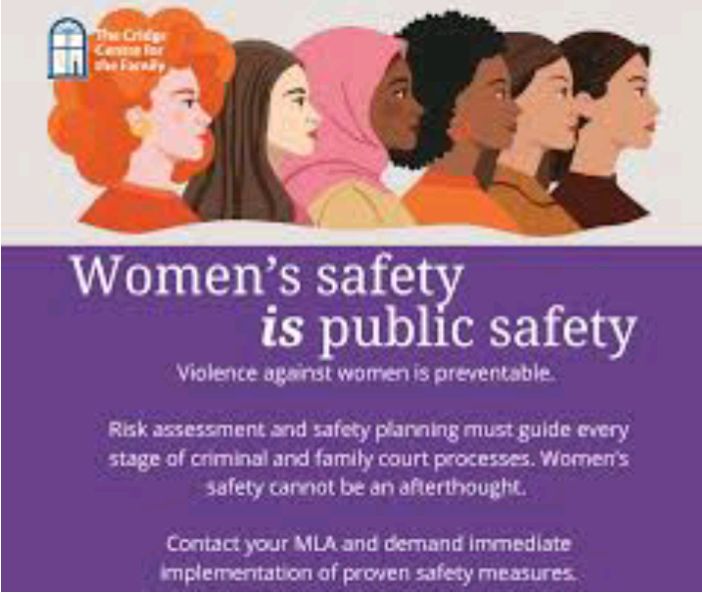
After the horrific event of Nirbhaya death, govt appointed Justice Verma Committee which came with
the recommendation as depicted below in the picture.
Is Harsh Law Effective In Acting As Deterrence? If Not, What Is The Way forward?
The December 16 gang rape led to widespread outrage that forced the Central government to enact tougher
anti- rape laws. But,the next question is whethersuch strictlaw can reduce the crimes against women. Criminology
research has established that it is the certainty of punishment, and not its severity, that deters people from
committing crimes. The effectiveness of laws does not lie in how harsh they are but in how successfully they
are enforced. Thus a harsher anti-rape law is no answer, certainty of punishment is. While crime rates are
increasing, the conviction rate is declining. In 1971, the conviction rate of IPC crimes was 62%, but by 2010, it
had declined to 40.7%. In the case of rape, it was as low as 26%. Add to this the number of cases pending in
court and the fact that it takes years to settle them. This scenario has to change if the law is to be made effective.
Another reason why such crimes continue to occur is our mindset. The cultural norms and traditions that
flourish in our patriarchal society undermine the dignity of women. What really needs to be done is the
moral overhauling of the minds of the masses by means of education and awareness. The actual need of the
hour is a revolutionary change in the mindsets and conscience of Indian men so that they stop seeing women as
objects of sexual pleasure.
Since societal attitudes will take time to change, the police as well as parents and teachers need to draw on the
“broken windows” theory of criminology. According to this theory, small acts of deviance, if ignored, can
escalate into more serious and major crimes. Do not ignore incidents of eve-teasing or stalking on the grounds
that youngsters are entitled to some indulgence or of domestic violence because it is a family matter.
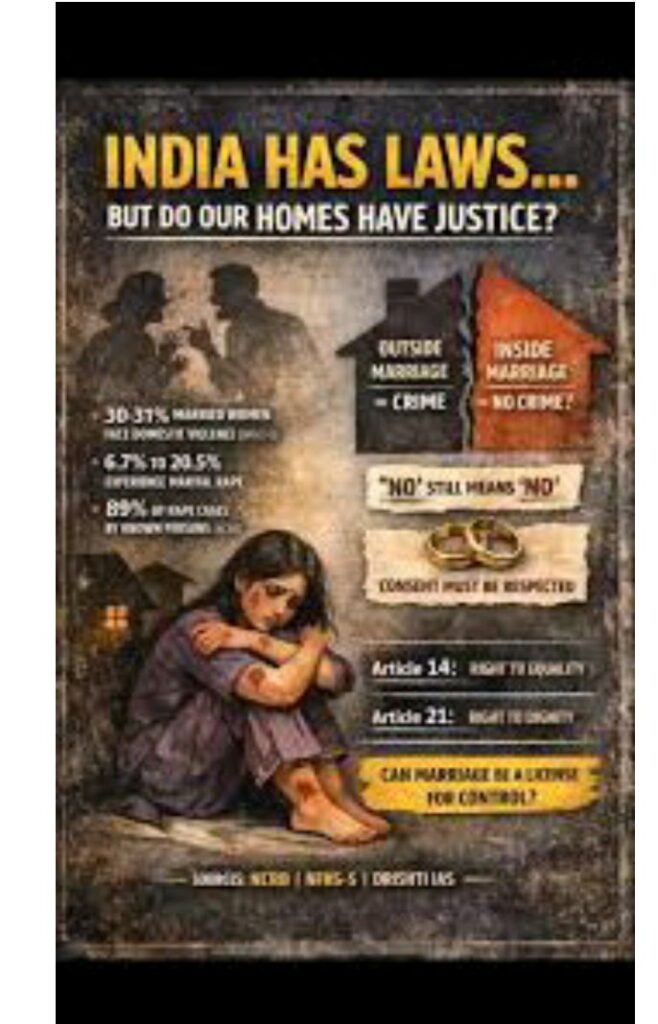
Conclusion
Every single day single women, young girls, mothers and women from all walks of life are being
assaulted, molested, and violated. The streets, public transport, public spaces in particular have become the
territory of the hunters. While the ones already hunted down weep in silence or in disdain, the rest fight their
way to a basic life with dignity. There is an unspoken war on the streets. Young school and college going girls
use books to shield themselves, other women wear full-covered attire to protect their bodies, and others avoid
the mere glance of the roving gaze.
We don’t need to look at statistics to confront the horrid truth. News stories of women from all over India being
raped, beaten, killed are flashed across us day after day – and we all are aware of it.