Women’s health refers to the branch of medicine that focuses on the treatment and diagnosis of diseases and conditions that affect a woman’s physical and emotional well-being.
Information
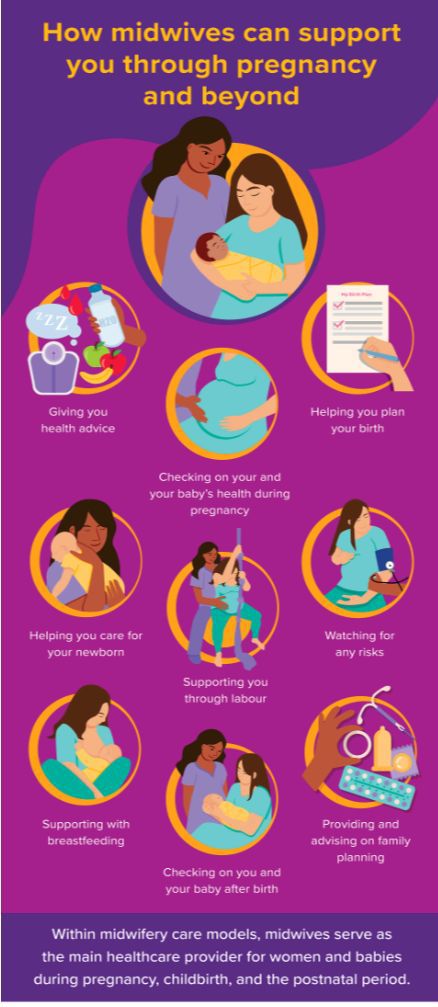
Women’s health includes a wide range of specialties and focus areas, such as:
- Birth control, sexually transmitted infections (STIs), and gynecology
- Breast cancer, ovarian cancer, and other female cancers
- Mammography and other screening tests for breast cancer
- Menopause and hormone therapy
- Osteoporosis
- Pregnancy and childbirth
- Sexual health
- Women and heart disease
- Benign conditions affecting the function of the female reproductive organs
PREVENTATIVE CARE AND SCREENINGS
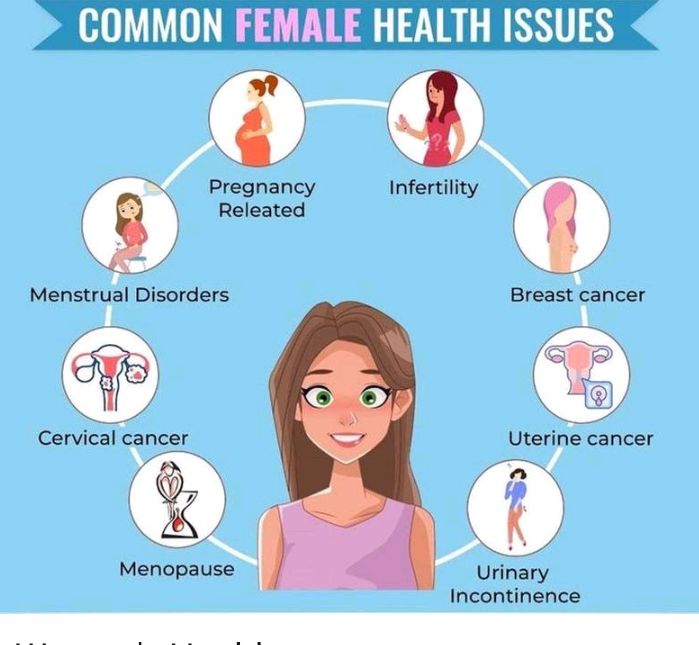
Preventative care for women includes the following services:
- Regular gynecological checkups, including a pelvic exam and breast exam
- Pap smear and human papilloma virus (HPV) testing
- Bone density testing
- Breast cancer screening
- Discussions about colon cancer screening
- Age-appropriate immunizations
- Healthy lifestyle risk assessment
- Hormonal testing for menopause
- Immunizations
- Screening for STIs
Breast self-exam instruction may also be included.
BREAST CARE SERVICES
Breast care services include the diagnosis and treatment of breast cancer, which may involve:
PREGNANCY AND CHILDBIRTH SERVICES
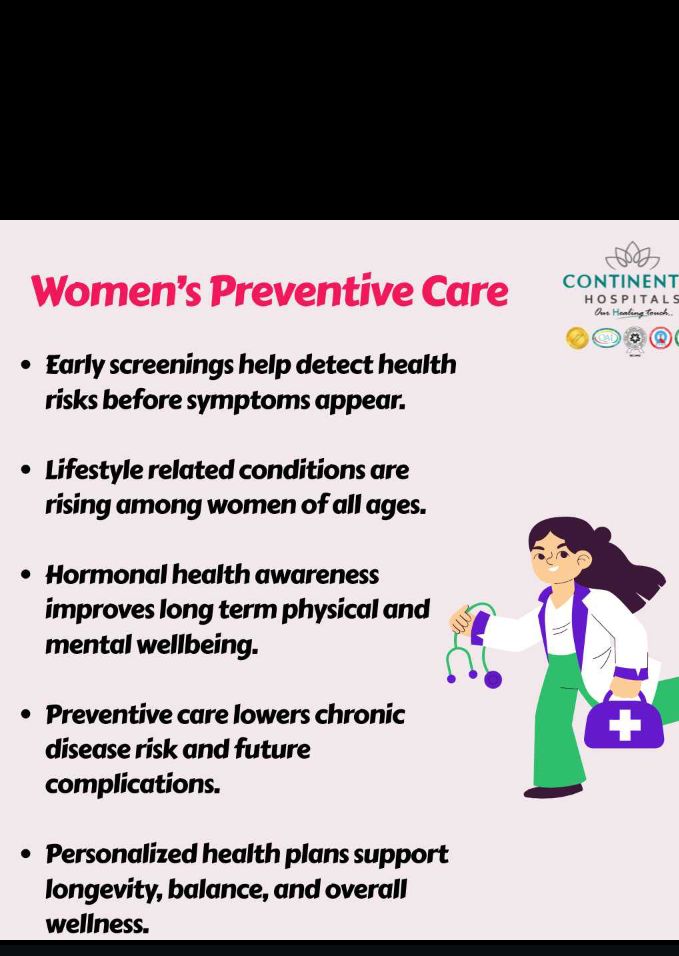
Regular prenatal care is an important part of every pregnancy. Pregnancy and childbirth services include:
- Planning and preparing for pregnancy, including information about proper diet, prenatal vitamins, and review of pre-existing medical conditions and medicines used
- Prenatal care, delivery, and postpartum care
- High-risk pregnancy care (maternal-fetal medicine)
- Breastfeeding and nursing
INFERTILITY SERVICES
Infertility specialists are an important part of the women’s health services team. Infertility services may include:
- Testing to determine the cause of infertility (a cause may not always be found)
- Blood and imaging tests to monitor ovulation
- Infertility treatments
- Counseling for couples who are dealing with infertility or loss of a baby
Types of infertility treatments that may be offered include:
- Medicines to stimulate ovulation
- Intrauterine insemination
- In vitro fertilization (IVF)
- Intracytoplasmic sperm injection (ICSI) — Injection of a single sperm directly into an egg
- Embryo cryopreservation: Freezing embryos for use at a later date
- Egg donation
- Sperm banking
TREATMENTS AND PROCEDURES
Members of the women’s health services team perform a variety of different treatments and procedures. Among the most common are:
- Delivery by vaginal birth or Cesarean section (C-section)
- Endometrial ablation
- Endometrial biopsy
- D&C
- Hysterectomy
- Hysteroscopy
- Mastectomy and breast reconstruction
- Pelvic laparoscopy
- Procedures to treat precancerous changes of the cervix (loop electrosurgical excision procedure [LEEP], Cone biopsy)
- Procedures to treat urinary incontinence
- Tubal ligation and reversal of tubal sterilization
- Uterine artery embolization
WHO TAKES CARE OF YOU
The women’s health services team includes doctors and health care providers from different specialties. The team may include:
- Obstetrician/gynecologist (ob/gyn) — A doctor who has received extra training in the treatment of pregnancy, reproductive organ problems, and other women’s health issues.
- General surgeons specializing in breast care.
- Perinatologist — An ob/gyn who has received further training and specializes in the care of high-risk pregnancies.
- Radiologist — Doctors who received extra training and interpretation of different imaging as well as performing different procedures using imaging technology to treat disorders such as uterine fibroids.
- Physician assistant (PA).
- Primary care doctor.
- Nurse practitioner (NP).
- Nurse midwives.